Energy JL Home

Category

Infrastructure & Investment

7 articles

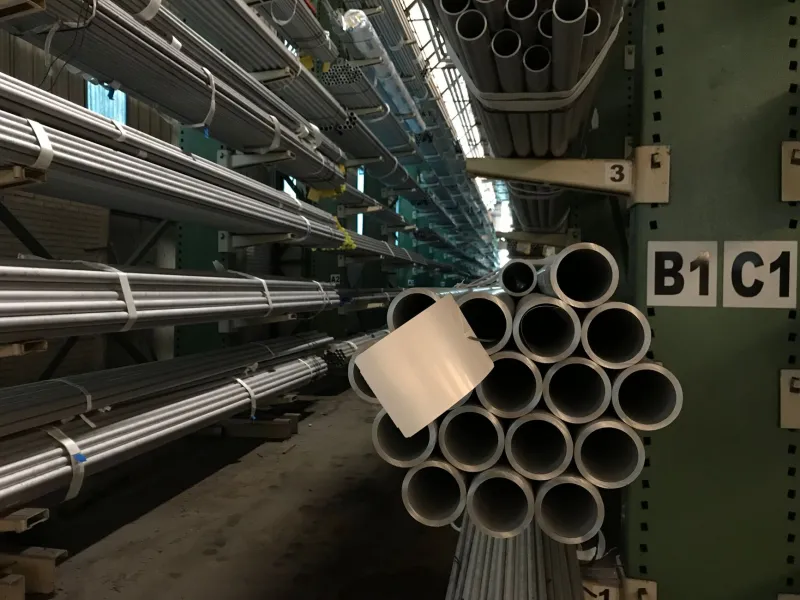
Procurement Under Pressure: How Equipment Shortages Are Forcing a Rethink of Energy Capital Strategy

Procurement Under Pressure: How Equipment Shortages Are Forcing a Rethink of Energy Capital Strategy

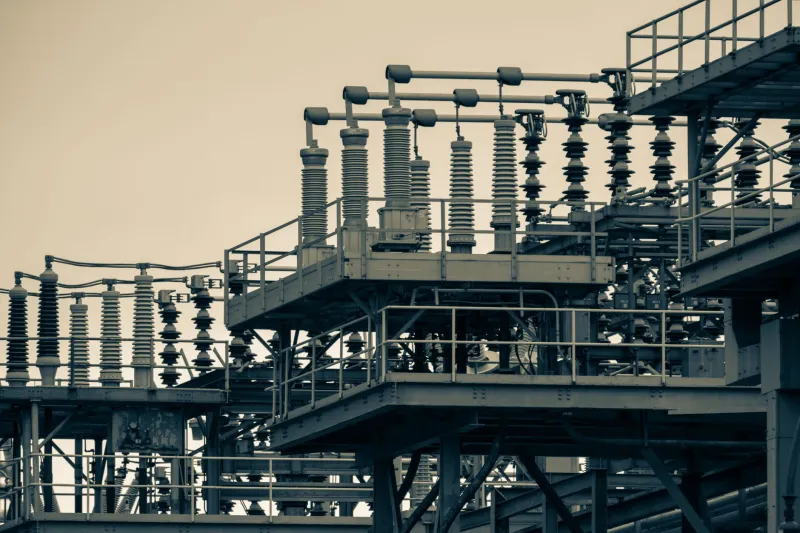
From large power transformers to rare earth magnets, critical equipment shortages are no longer a temporary disruption — they are a structural challenge reshaping how US energy companies plan and deploy capital. As lead times stretch and geopolitical tensions tighten supply chains, forward-thinking utilities and independent developers are embedding procurement strategy directly into their investment frameworks.


Disclosure or Deflection: How US Energy Firms Are Navigating the New Frontier of Climate Financial Risk

Disclosure or Deflection: How US Energy Firms Are Navigating the New Frontier of Climate Financial Risk

As regulatory pressure mounts and investors demand greater transparency, US energy companies face a defining moment in how they account for climate-related financial risks in their public filings. From oil and gas majors to investor-owned utilities and renewable developers, the approaches vary widely—and the compliance stakes have never been higher. Energy professionals operating at the intersection of capital markets and energy strategy would do well to understand what these evolving standards

Beyond the Central Grid: Why Microgrids and Distributed Energy Are Becoming America's Resilience Imperative

Beyond the Central Grid: Why Microgrids and Distributed Energy Are Becoming America's Resilience Imperative

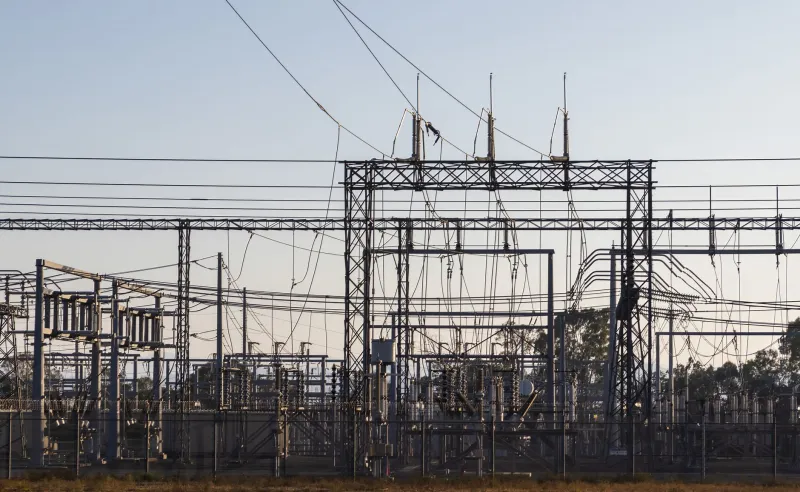
As extreme weather events expose the vulnerabilities of centralized power infrastructure, utilities, municipalities, and private operators are turning to microgrids and distributed energy resources as a structural solution—not merely a supplemental one. The shift represents a fundamental rethinking of how American communities secure reliable power. Yet significant regulatory, financial, and technical obstacles stand between promise and widespread deployment.

Fifty Shades of Green: How a Fractured State Regulatory Environment Is Reshaping Utility Capital Strategy

Fifty Shades of Green: How a Fractured State Regulatory Environment Is Reshaping Utility Capital Strategy

As state-level energy mandates proliferate and diverge, US utility companies face an increasingly complex patchwork of compliance obligations that are fundamentally altering how they plan and deploy capital. From interconnection backlogs in California to coal retirement timelines in the Midwest, the regulatory landscape has never been more fragmented — or more consequential for long-term investment decisions.

Closing the Human Capital Deficit: How America's Energy Transition Hinges on Building a Skilled Clean Energy Workforce

Closing the Human Capital Deficit: How America's Energy Transition Hinges on Building a Skilled Clean Energy Workforce

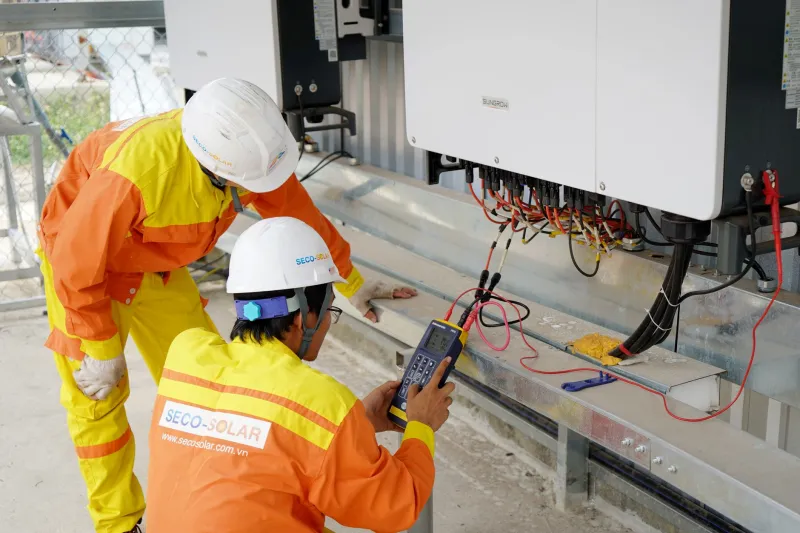
The United States is investing hundreds of billions of dollars into grid modernization and renewable energy expansion, yet a deepening talent shortage threatens to stall progress before it fully begins. From solar installation crews to wind turbine technicians and advanced grid operators, utilities and developers are struggling to find qualified workers at the pace the transition demands. Understanding the scope of this skills gap — and the policy and training solutions emerging to address it —

From Guesswork to Precision: How Predictive Analytics Is Transforming Capital Allocation in Grid Modernization

From Guesswork to Precision: How Predictive Analytics Is Transforming Capital Allocation in Grid Modernization

Advanced data analytics and artificial intelligence are fundamentally altering how utilities and renewable developers prioritize grid infrastructure spending. Leading organizations that have embraced these tools report return-on-investment improvements of 20 to 30 percent compared to traditional planning methods. This analysis examines the frameworks driving those gains and what mid-market energy companies must do to remain competitive.